Reconnect. Speak. Thrive.
Your journey home begins here

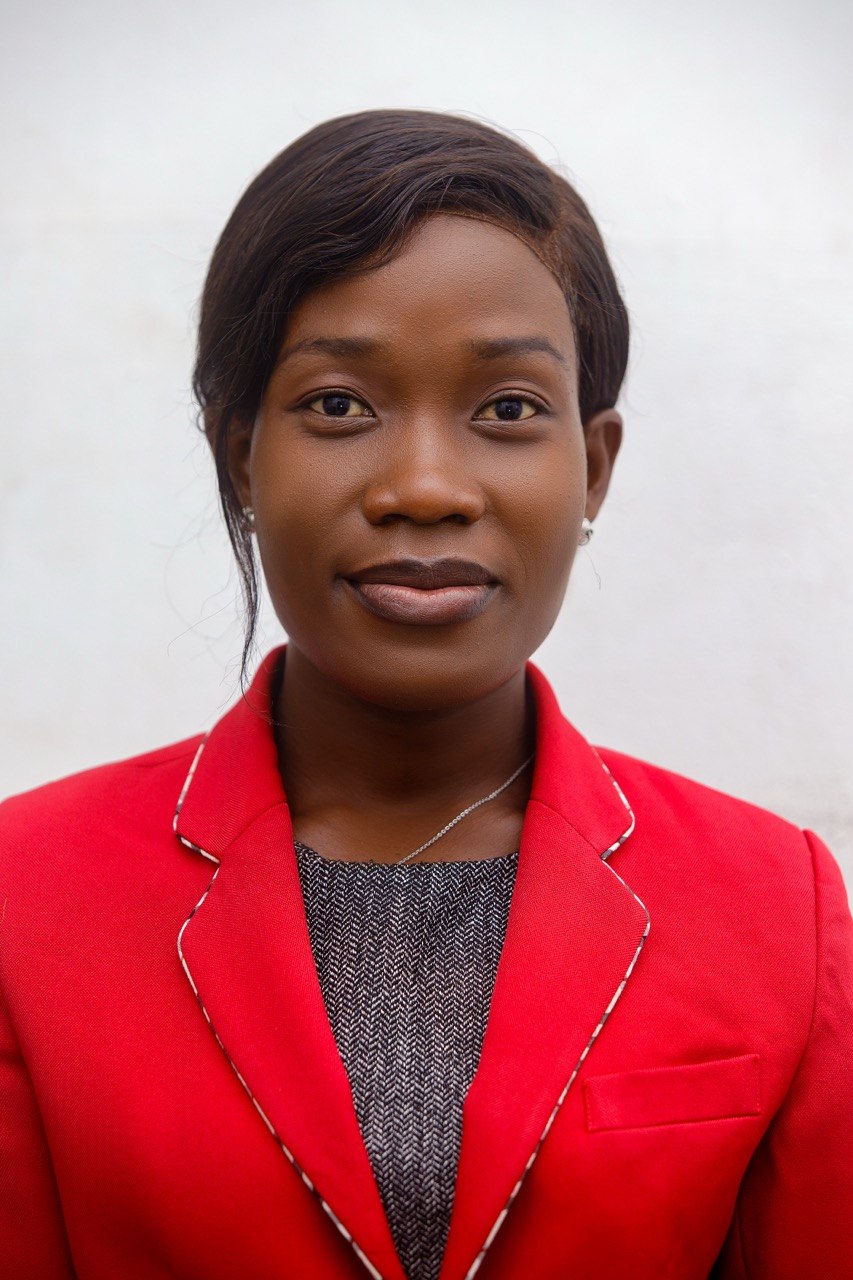
When Richard asked me to write about family terms, I got very excited. You see, family is not just important in Ghana – family is everything. And the way we talk about family? It tells you so much about who we are.
In Ghana, when I say "my family," I'm not just talking about my parents and siblings. I'm talking about my grandmothers, my aunts, my uncles, my cousins, my second cousins, my grandmother's sister's children... you get the idea [citation:2].
The Akan people have a saying: "Abusua ye dom" – Family is a crowd. And we mean that literally!
Here's something beautiful: In our culture, family includes not just the living, but also the ancestors and the children not yet born [citation:2]. We are connected to those who came before us and those who will come after us. That's why family terms carry so much weight.
Now, let's learn how to address all these wonderful people!
Let's start with the basics. These are the words you'll use most often.
| Twi | How to Say It | What It Means |
|---|---|---|
| Agya | ah-jah | Father |
| Maame | mah-meh | Mother |
| Ɔba | aw-bah | Child |
| Babanyin | bah-bah-yin | Son |
| Babaawa | bah-bah-wah | Daughter |
| Nua | noo-ah | Sibling (brother/sister) |
| Nua barima | noo-ah bah-ree-mah | Brother |
| Nua bea | noo-ah bay-ah | Sister |
When you call your parents, you don't just say "Agya" like a word. You say it with love. "Agya me" (my father) or "Maame me" (my mother). It sounds warmer that way.
In Ghana, grandparents are special. They are the ones who tell us stories, teach us proverbs, and spoil us with sweets when our parents aren't looking!
| Twi | How to Say It | What It Means |
|---|---|---|
| Nana | nah-nah | Grandparent |
| Nana barima | nah-nah bah-ree-mah | Grandfather |
| Nana bea | nah-nah bay-ah | Grandmother |
| Nananom | nah-nah-nom | Grandparents (plural) |
Fun fact: "Nana" is also a title for chiefs and queens. So when you call your grandmother "Nana," you're giving her royal respect!
Okay, this is where it gets interesting. In Twi, we don't just say "aunt" or "uncle." We have different words depending on whether the person is from your mother's side or your father's side [citation:5].
Why? Because in Akan culture, we follow the mother's line (matrilineal). Your mother's family is your abusua – your bloodline. Your father's side is also important, but in a different way [citation:8].
| Twi | How to Say It | What It Means |
|---|---|---|
| Ɔkɔtɔ | aw-kaw-toh | Aunt (on mother's side) |
| Sɛwa | seh-wah | Aunt (on father's side) |
| Wɔfa | woh-fah | Uncle (on mother's side) |
| Agya kakra | ah-jah kah-krah | Uncle (on father's side – means "little father") |
Let me explain with a story.
When I was little, my mother's brother – my wɔfa – would visit and always bring me gifts. He was like a second father to me. But my father's brother? I called him agya kakra – little father. He looked like my dad, laughed like my dad, and I respected him almost the same way.
See the difference?
And cousins? In Twi, we often just call them nua – brother or sister – because they feel that close. But if you want to be specific:
| Twi | How to Say It | What It Means |
|---|---|---|
| Nua barima | noo-ah bah-ree-mah | Male cousin (brother-cousin) |
| Nua bea | noo-ah bay-ah | Female cousin (sister-cousin) |
Now we're getting to the beautiful part. In Ghana, your family keeps going and going...
| Twi | How to Say It | What It Means |
|---|---|---|
| Abusua | ah-boo-sway | Family / Clan |
| Abusuapanin | ah-boo-sway-pah-neen | Family head / Elder |
| Nana | nah-nah | Ancestor (also grandparent) |
| Akonta | ah-kohn-tah | In-law |
| Akonta barima | ah-kohn-tah bah-ree-mah | Brother-in-law |
| Akonta bea | ah-kohn-tah bay-ah | Sister-in-law |
| Awɔ | ah-woh | Mother-in-law |
| Ase | ah-seh | Father-in-law |
Important: When you marry into a Ghanaian family, you don't just marry one person. You marry the whole family! Your in-laws become your family. They will call you son or daughter. And you will call them mother and father [citation:5].
Let me show you how this works in everyday conversation.
If you meet an older person, you don't call them by their first name. You say:
Even if they're not your real parents! It's a sign of respect [citation:6].
When you have more than one family member, here's how to say it:
| Singular | Plural | How to Say It |
|---|---|---|
| Ɔba (child) | Mmɔba | mmoh-bah |
| Nua (sibling) | Nuanom | noo-ah-nom |
| Agya (father) | Agyanom | ah-jah-nom |
| Maame (mother) | Maamenom | mah-meh-nom |
| Nana (grandparent) | Nananom | nah-nah-nom |
See that -nom at the end? That's how we make family words plural. It's like adding an "s" in English, but it's special for family [citation:6].
Let me tell you a quick story.
Last year, one of our students – a lovely young woman from America – came to Ghana for the first time. She had learned some Twi from our classes. When she met her grandmother, she said:
"Nana, medaase pa!"
(Grandma, thank you very much!)
Her grandmother started crying. Happy tears.
Why? Because she didn't just say "thank you." She used the right word, the right tone, the right respect. She showed that she understood – family matters.
That's what these words do. They open doors. They open hearts.
I've been teaching for many years, so let me share some things I see students mix up:
Remember: Wɔfa is for mother's brother. Father's brother is "agya kakra" (little father) [citation:5].
Fix: Nua is great for siblings and cousins you're close to. But for older relatives, use the proper terms. It shows respect.
Fix: When talking about multiple grandparents, it's "nananom," not "nana nana." Add that -nom!
Please don't! She is "awɔ" (mother-in-law) or "maame." Always. Forever. Trust me on this [citation:9].
You know, when I was a little girl, my grandmother would gather all the cousins and teach us who was related to whom. She'd point and say, "That one is your wɔfa's daughter, so she's your cousin but call her sister." It was confusing at first. But now? I'm so grateful.
Because knowing these words means knowing where you belong.
So as you learn these family terms, don't just memorize them. Think about the people behind them. Think about the grandmother who wants to hear you call her "Nana." Think about the uncle who will smile so wide when you say "Wɔfa" for the first time.
That's what this is really about.
The best way to learn family terms is to use them. So here's your homework:
And if you get stuck? That's what we're here for.
Join our classes and practice with native speakers who will become like family!
Explore Our Classes → Get Free Resources →