Reconnect. Speak. Thrive.
Your journey home begins here

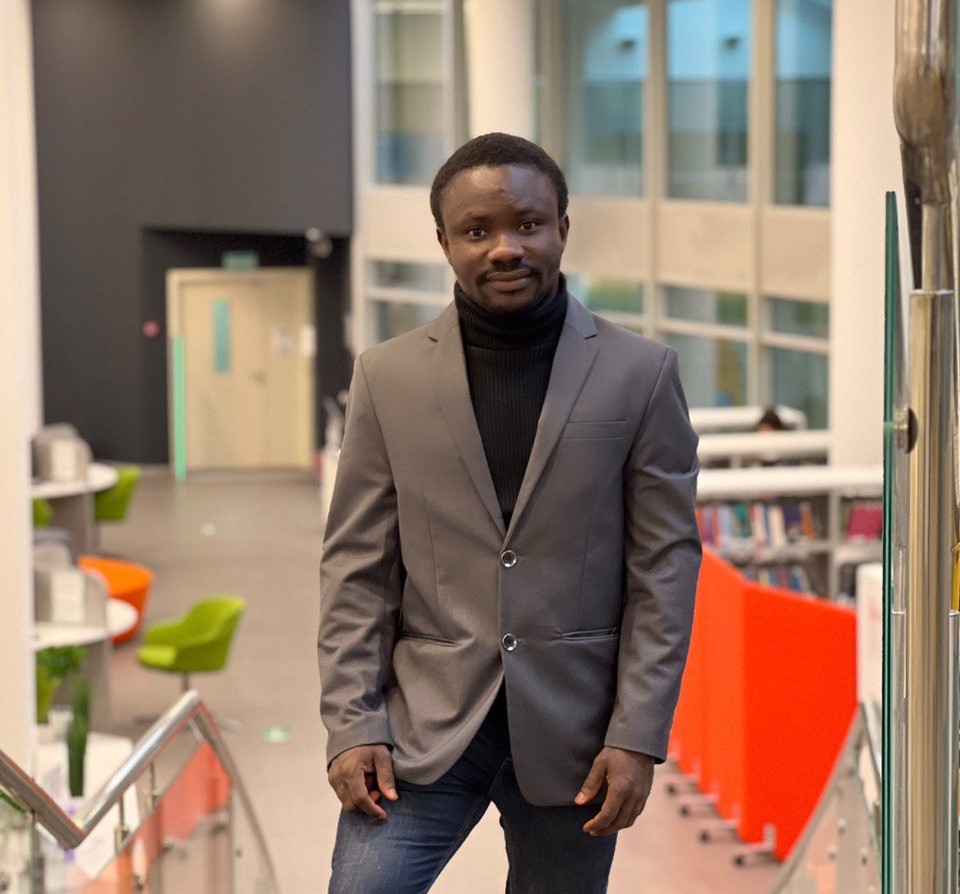
I founded Speak Ghana to help people reconnect with their roots. Adinkra symbols are one of my favorite parts of Ghanaian culture – they carry so much wisdom!
Have you ever seen those beautiful symbols on Ghanaian fabrics, pottery, or even money and wondered what they mean?
They're called Adinkra symbols, and they're so much more than just decorations.
Each one tells a story. Each one carries wisdom passed down through generations. And once you understand them, you'll start seeing them everywhere – on clothes, in architecture, and even on the Ghanaian cedi notes in your pocket.
Let me walk you through some of the most powerful Adinkra symbols and what they represent.
Adinkra is a visual language. It's a way of communicating proverbs, beliefs, and philosophical ideas through symbols.
The word "Adinkra" means "a message one gives to another when parting." Originally, these symbols were used on cloth worn for special occasions, especially funerals and mourning. But over time, their use has expanded.
Today, you'll find Adinkra symbols everywhere in Ghana – on fabrics, jewelry, buildings, logos, and even on the Ghanaian currency.
There are over 100 symbols in common use, each with its own name, meaning, and often a proverb attached to it.
Symbol: A bird with its head turned backward, carrying an egg in its mouth. Sometimes shown as a stylized heart shape.
Meaning: Sankofa teaches us that we must learn from the past to build a successful future. It's about taking what is good from our history and bringing it into the present.
The word comes from the Akan language: san (to return), ko (to go), and fa (to fetch).
Where you'll see it: This is one of the most widely used Adinkra symbols in the world. You'll find it in jewelry, tattoos, and clothing. It's especially important in the African diaspora as a symbol of reconnecting with ancestral heritage.
Symbol: A distinctive, intricate pattern that looks like a stylized spiral or knot.
Meaning: This is arguably the most popular Adinkra symbol in Ghana. It represents the omnipotence, omnipresence, and immortality of God. It expresses the deep spiritual belief that nothing happens without God's will.
"Gye Nyame" literally means "Except God" or "Only God" in the Twi language. It speaks to the supremacy of the divine over all things.
Where you'll see it: Everywhere! It's on the wall of the Ghanaian embassy in Washington DC. It's featured on the 200 Ghana cedi note. It's in the logos of the University of Cape Coast. And it's probably on the clothing of someone you'll meet in Ghana.
Symbol: An intricate, knot-like design.
Meaning: Nyansapo represents wisdom, ingenuity, intelligence, and patience. It's called the "wisdom knot" because it symbolizes that a wise person can untie even the most complicated knots.
The symbol embodies the idea that wise people have the ability to choose the best way to achieve their goals.
Where you'll see it: Harvard University's Center for African Studies uses Nyansapo in its logo. The design features the Harvard shield converging to form the wisdom knot, representing the center's role as a knowledge-collecting institution.
Symbol: Two rams' horns curving inward.
Meaning: This symbol represents humility and strength. A ram is powerful and will fight fiercely, but it also submits humbly to its master. The symbol teaches that even the strong must be humble.
Symbol: Crossed swords.
Meaning: Akofena represents authority, legitimacy, and gallantry. It's a reminder of the responsibility that comes with power.
Symbol: Two fish turning away from each other.
Meaning: This is a symbol of justice, fair play, freedom, peace, and unity. It's an important part of the Akan code of conduct – the idea that we should not provoke or harm one another.
Symbol: Two crocodiles sharing one stomach.
Meaning: This fascinating symbol shows two crocodiles with a single stomach. It represents unity in diversity – even if they fight over food, it goes to the same place. The lesson is that we must learn to cooperate despite our differences.
| Symbol | Name | Meaning |
|---|---|---|
| 🕊️ | Sankofa | Learn from the past |
| 🌀 | Gye Nyame | Except God – divine supremacy |
| 🔗 | Nyansapo | Wisdom knot – intelligence, patience |
| 🐏 | Dwennimmen | Strength with humility |
| ⚔️ | Akofena | Authority, legitimacy |
| 🐟🐟 | Bi-Nka-Bi | Peace, justice, don't harm others |
| 🐊🐊 | Funtunfunefu | Unity in diversity |
Creating Adinkra cloth is a careful, skilled process:
Traditionally, Adinkra cloth was made only for royalty and spiritual leaders. But since Ghana gained independence, its use has expanded – though it's still considered formal attire.
What started as symbols for mourning and royalty has become something much bigger.
Today, Adinkra symbols represent Ghanaian identity itself. They're a source of pride for Ghanaians and a marker of West African identity both at home and in the diaspora.
You'll find them:
The symbols have even traveled far beyond Ghana. In Toronto, a major square was renamed "Sankofa Square" in 2023 as part of efforts to build a more inclusive city.
Adinkra symbols are more than just pretty designs.
They're a way of passing down wisdom from generation to generation. Each symbol carries a proverb, a lesson, a piece of philosophy. When someone wears Adinkra cloth, they're not just wearing fabric – they're wearing ideas.
As the scholar Kwame Anthony Appiah put it, Adinkra is one of the means of "supporting the transmission of a complex and nuanced body of practice and belief."
For Ghanaians and the African diaspora, these symbols connect us to our ancestors. They remind us of values that have guided our people for centuries: humility, wisdom, justice, faith, and learning from the past.
Next time you're in Ghana or talking with Ghanaian family, look for these symbols. Ask them which one is their favorite. You'll be surprised how much pride people have in these ancient designs.
My grandmother always wore cloth with Sankofa. She said it reminded her that we never lose our roots – we just have to remember to look back.
Understanding symbols is beautiful, but speaking the language connects you even deeper. Start your journey today!
Explore Our Classes →